Apple continues to blur the line between technology and healthcare with its latest announcement. At its September 9 “Awe Dropping” event, the company unveiled several new features for its wearables. Among them, one stood out as potentially life-changing — the hypertension notification feature for Apple Watch Series 11 and Watch Ultra 3. Now, with the U.S. Food and Drug Administration (FDA) officially granting approval, Apple is ready to bring this feature to users worldwide.
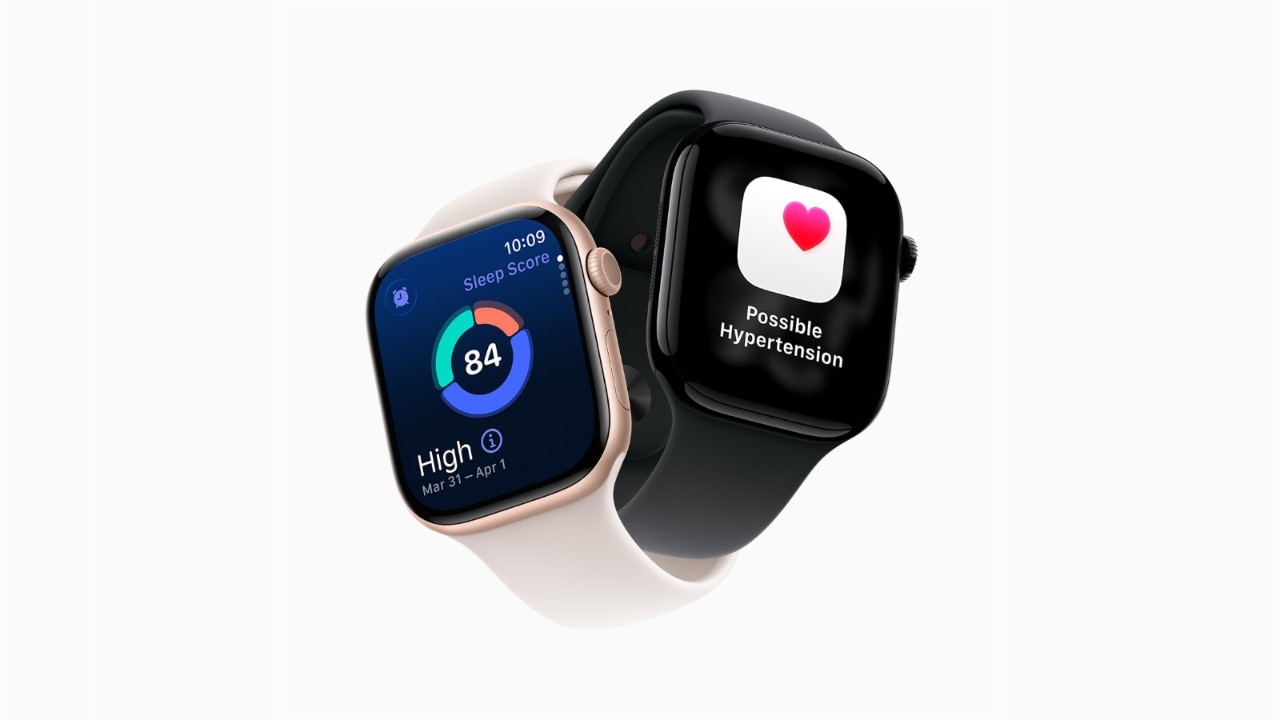
This move is being hailed as a significant step forward for wearable technology in preventive healthcare, with experts suggesting that millions could benefit from early detection of high blood pressure. Let’s dive into the details of what this feature does, how it works, which devices will support it, and why it might be one of Apple’s most important updates yet.
What Exactly Is the Hypertension Notification Feature?
Hypertension, commonly known as high blood pressure, affects over 1.3 billion people globally according to the World Health Organization (WHO). Many people remain undiagnosed because symptoms are often silent until a serious complication arises. Apple’s new feature aims to tackle this issue head-on.
The Apple Watch hypertension notification works as a blood pressure monitoring system that runs passively in the background. Using a combination of optical sensors, machine learning models, and historical health data, the watch tracks changes in the user’s cardiovascular patterns.
Instead of providing one-off blood pressure readings like a traditional cuff, Apple’s system analyzes data over 30 days. If the watch detects sustained patterns that indicate elevated blood pressure, it sends a discreet notification encouraging the user to consult a doctor.
This approach is designed to avoid false positives while helping users become aware of a long-term issue before it becomes a medical emergency.
a2zhealthylife.com | viralinformation.co.in | cyclo4fun.com
ibermoney.com | WebEraEnterprise.com | prediksibensintoto.com
Why FDA Approval Matters
FDA approval is a major milestone because it confirms that Apple’s hypertension detection system meets the strict safety and accuracy standards required for medical devices in the United States. This approval assures users that the feature has been tested, validated, and found reliable enough to be used for health monitoring.
In the past, Apple has taken similar steps with its ECG feature, blood oxygen monitoring, and fall detection. Each time, the FDA’s clearance has helped turn the Apple Watch into more than just a fitness tracker — it has made it a genuine health companion.
Experts believe that the hypertension notification system could identify over 1 million undiagnosed cases in its first year of launch, potentially reducing the risk of strokes, heart attacks, and other cardiovascular complications.
Global Rollout and Availability
Now that Apple has received FDA approval, the feature is set for a global rollout starting September 19, the same day when the iPhone 17 series and other new Apple products hit the market.
According to Apple’s official announcement, the hypertension notification will be available in over 150 countries, including the United States, Canada, the European Union, Australia, and most of Asia-Pacific. While Apple has not officially confirmed its release in India, industry watchers expect it to arrive soon after WatchOS 26 becomes widely available.
Supported Devices
The feature will debut with the Apple Watch Series 11 and Apple Watch Ultra 3, but Apple has made it clear that it will not be restricted to just the latest models. Users with:
-
Apple Watch Series 9
-
Apple Watch Series 10
-
Apple Watch Ultra 2
will also receive the hypertension feature after upgrading to WatchOS 26.
Unfortunately, Apple Watch SE models will not get this feature, likely due to hardware limitations such as missing sensors or reduced processing capability.
Pricing and Pre-Orders
For those looking to get a new Apple Watch to use this feature, pre-orders are already live.
-
Apple Watch Series 11 starts at ₹46,900
-
Apple Watch Ultra 3 starts at ₹89,900
Both models come with brighter displays, improved battery life, and faster processors, but the headline feature remains the new health tracking capabilities.
How It Benefits Users
The real power of this feature lies in preventive healthcare. Many people do not monitor their blood pressure regularly until they experience health issues. By allowing the watch to do the monitoring passively, users can catch early warning signs without extra effort.
Key Benefits:
-
Early Detection: Identifies hypertension risk before symptoms escalate.
-
24/7 Monitoring: Works in the background without manual input.
-
Convenience: Eliminates the need for frequent cuff-based testing for early screening.
-
Personalized Insights: Uses historical data to detect patterns unique to each user.
-
Better Doctor Conversations: Provides data logs that can be shared with healthcare providers for better diagnosis.
Potential Limitations
While promising, users should understand that this is not a replacement for clinical diagnosis. The Apple Watch cannot provide exact systolic/diastolic readings like a blood pressure cuff. Instead, it identifies trends and alerts users to take further action.
Additionally, since it works based on algorithms and optical sensors, factors such as poor watch fit, skin tone variations, or irregular movements may occasionally affect accuracy. Apple recommends that users consult their physician for confirmation if they receive hypertension notifications.
Broader Implications for Digital Health
Apple’s move is part of a growing trend where consumer tech companies are entering the healthcare space. By turning smartwatches into health monitoring devices, companies like Apple, Samsung, and Fitbit are giving users more control over their well-being.
This development could also encourage insurers and healthcare providers to integrate wearable data into their systems, potentially lowering healthcare costs by preventing late-stage diagnoses.
Tips for Users to Get the Most Out of This Feature
-
Wear Your Watch Consistently: The more data your watch collects, the more accurate its analysis will be.
-
Keep WatchOS Updated: Install software updates regularly for the latest improvements.
-
Pair with Healthy Habits: Use the data to make changes such as reducing sodium intake, exercising regularly, and managing stress.
-
Share Data with Your Doctor: Allow your healthcare provider to review your readings to personalize treatment plans.
Final Thoughts
The Apple Watch Series 11 and Watch Ultra 3 are not just luxury gadgets — they are now powerful health tools. The new hypertension notification feature, backed by FDA approval, could become a game-changer in detecting and preventing one of the world’s most common but silent health issues.
As Apple rolls out this feature globally, it is yet another reminder of how technology is reshaping healthcare. Whether you’re a fitness enthusiast, a tech lover, or someone looking to keep track of your health, this update makes the Apple Watch a compelling investment.