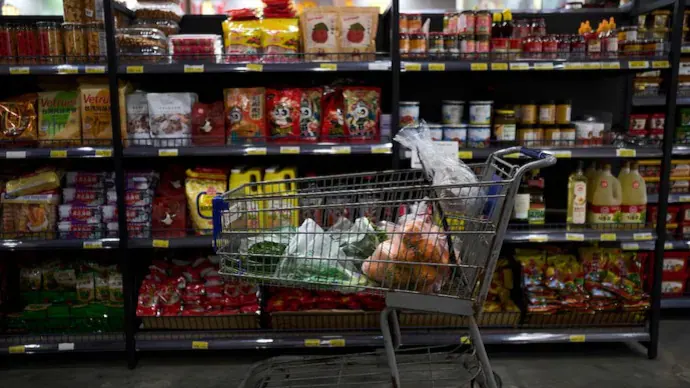
The Goods and Services Tax (GST) system in India is about to see its most significant transformation since its launch in 2017. From September 22, 2025, the government will roll out a restructured tax regime popularly known as GST 2.0. This overhaul simplifies the complex multi-rate system into a “2+1 structure”:
-
5% for essentials
-
18% for most goods and services
-
40% for sin and luxury items
This change marks a clear attempt by the government to balance affordability for common households with higher taxation on indulgences and luxury products. For consumers, this means a lighter bill on day-to-day necessities but a steeper price tag for products considered harmful to health or symbolic of luxury.
Why GST 2.0 Was Needed
When GST was introduced in 2017, it aimed to unify India’s fragmented indirect tax system. Initially, the structure had five main slabs: 0%, 5%, 12%, 18%, and 28%, with additional cess on luxury and sin goods. While it streamlined taxation, critics argued the system was too complicated, created compliance challenges for businesses, and left room for confusion at the consumer level.
Inflationary pressures in recent years, coupled with uneven taxation across categories, made a simplified version necessary. GST 2.0 addresses this by reducing the number of slabs, making compliance easier, and offering relief on essentials to support households struggling with rising living costs.
What Gets Cheaper Under GST 2.0
The good news for families is that essentials and many common household products will now fall under the 5% slab, compared to 12% or 18% earlier. This shift will make everyday life more affordable.
Here are some items set to get cheaper:
-
Basic Food Items – Packaged snacks, edible oils, pulses, and flour products.
-
Personal Care Products – Soaps, shampoos, toothpaste, and hair oil.
-
Household Appliances – Fans, mixer grinders, and budget washing machines.
-
Small Cars – Compact and affordable vehicles that were earlier taxed at 28% will now fall under lower slabs.
-
Textiles and Footwear – Affordable clothing and footwear under ₹1,000 will see a meaningful tax cut.
For the average household, this translates to lower grocery bills, cheaper hygiene products, and reduced costs on select home appliances. Over time, this relief could boost consumption, as families are likely to spend more freely on essentials and mid-range products.
What Gets More Expensive
While households will feel relief on basics, everyday indulgences and aspirational purchases are going to cost more. The new 40% slab is designed specifically for items the government wants to discourage—whether for public health reasons or to check conspicuous consumption.
Here’s what will pinch your wallet:
-
Colas and Fizzy Drinks
-
Tax rises from 28% to 40%.
-
Your movie-night sodas or family treat bottles will be significantly costlier.
-
-
Sugary Juices and Energy Drinks
-
Positioned under the same slab, these items will hit fitness enthusiasts and school lunchboxes alike.
-
-
Pan Masala and Chewing Tobacco
-
Heavily taxed as part of a clear nudge toward healthier lifestyle choices.
-
-
Cigarettes and Tobacco Products
-
Already taxed heavily, now subject to the steepest possible rate.
-
-
Luxury Motorcycles and Cars
-
High-end brands like Harley-Davidson, BMW, and Mercedes-Benz will face the sharpest increase, making them aspirational but further out of reach for the middle class.
-
This change aligns with global practices where governments use taxation as a tool to curb consumption of harmful products while channeling funds toward healthcare and development.
cinecelebspot.com | yandexgamess.com | aajkalkikhabar.com
skysports4u.com | BeachmanUsa.com
Economic Impact of GST 2.0
The government estimates a short-term revenue loss of around ₹48,000 crore, mainly because of lower taxes on essentials. However, policymakers believe that simplified compliance, higher consumption, and the steep taxes on luxury and sin goods will help bridge this gap over time.
Economists also suggest that GST 2.0 could help reduce headline inflation by up to 1.1 percentage points. This is a significant cushion for households that have been coping with rising prices of food, fuel, and services in recent years.
Moreover, businesses are expected to benefit from a simpler compliance structure, reducing the paperwork and confusion around multiple slabs. For small traders and manufacturers, this reform could translate into greater efficiency and lower costs of doing business.
Household-Level Impact
For an average Indian family, the changes will be most visible at the checkout counter.
-
Grocery Basket: Cheaper packaged foods, oils, and snacks.
-
Personal Care: Lower prices on soaps, shampoos, and daily hygiene products.
-
Home Appliances: Easier access to basic appliances like fans or mixers.
-
Indulgences: Costlier colas, juices, and energy drinks.
-
Habits: Tobacco, cigarettes, and pan masala now much heavier on the pocket.
-
Aspirations: Luxury cars and bikes further out of reach for the average consumer.
In short: Daily life gets cheaper, but indulgence becomes a conscious, costlier choice.
Broader Goals of the Reform
GST 2.0 is more than just a tax reform—it reflects the government’s policy priorities:
-
Curb Harmful Consumption – By raising taxes on tobacco, sugary drinks, and pan masala, the government hopes to discourage unhealthy habits.
-
Make Essentials Affordable – Lowering taxes on basic goods directly supports household budgets, especially in lower- and middle-income groups.
-
Boost Demand and Growth – With essentials becoming cheaper, families may spend more, stimulating broader economic growth.
-
Simplify Compliance – Reducing the number of slabs makes filing GST returns easier for small and medium enterprises (SMEs).
-
Align with Global Practices – Many countries use a similar model where essentials are taxed low, most goods at a standard rate, and harmful/luxury items heavily.
Reactions from Experts and Industry
-
Economists: Most economists have welcomed the move, particularly the inflation relief. However, some warn about the risk of smuggling or black-market activity for heavily taxed items like tobacco.
-
Consumer Rights Groups: Advocates are optimistic that households will finally feel meaningful relief, especially with cheaper hygiene products and food items.
-
Industry Leaders: FMCG companies expect a boost in demand for essentials. Beverage and automobile industries, however, are preparing for a dip in sales in their premium segments.
-
Healthcare Advocates: Strongly support the steep tax on tobacco and sugary drinks, seeing it as a step toward better public health.
Conclusion
GST 2.0 is an ambitious reform that balances affordability, convenience and ease. The government has tried to align economic aspirations with social obligation by making essential goods cheaper and luxury or dangerous equipment more expensive .
For families, change is easy: Grocery and household bills will be easier, while favors and luxury purchases will take a harder pinch. Compliance is less complicated for businesses,
as it is for policymakers, and reform is a calculated gamble—trading quick-term gains for long-term growth and higher consumption patterns.
When GST 2.0 comes into effect on September 22, 2025, it can be achieved not just through the numbers on the government’s stability sheet but also through the tangible measures it brings to the ordinary lives of tens of millions of Indians.
aajkalkikhabar.com aajkalkikhabar.com aajkalkikhabar.com aajkalkikhabar.com aajkalkikhabar.com aajkalkikhabar.com aajkalkikhabar.com aajkalkikhabar.com aajkalkikhabar.com aajkalkikhabar.com aajkalkikhabar.com aajkalkikhabar.com aajkalkikhabar.com aajkalkikhabar.com aajkalkikhabar.com aajkalkikhabar.com aajkalkikhabar.com aajkalkikhabar.com aajkalkikhabar.com aajkalkikhabar.com aajkalkikhabar.com aajkalkikhabar.com aajkalkikhabar.com aajkalkikhabar.com aajkalkikhabar.com aajkalkikhabar.com aajkalkikhabar.com aajkalkikhabar.com aajkalkikhabar.com aajkalkikhabar.com aajkalkikhabar.com aajkalkikhabar.com aajkalkikhabar.com aajkalkikhabar.com aajkalkikhabar.com aajkalkikhabar.com aajkalkikhabar.com aajkalkikhabar.com aajkalkikhabar.com aajkalkikhabar.com aajkalkikhabar.com aajkalkikhabar.com aajkalkikhabar.com aajkalkikhabar.com aajkalkikhabar.com aajkalkikhabar.com aajkalkikhabar.com aajkalkikhabar.com aajkalkikhabar.com aajkalkikhabar.com aajkalkikhabar.com aajkalkikhabar.com aajkalkikhabar.com aajkalkikhabar.com aajkalkikhabar.com aajkalkikhabar.com aajkalkikhabar.com aajkalkikhabar.com aajkalkikhabar.com aajkalkikhabar.com aajkalkikhabar.com aajkalkikhabar.com aajkalkikhabar.com aajkalkikhabar.com aajkalkikhabar.com aajkalkikhabar.com aajkalkikhabar.com aajkalkikhabar.com aajkalkikhabar.com aajkalkikhabar.com aajkalkikhabar.com aajkalkikhabar.com aajkalkikhabar.com aajkalkikhabar.com aajkalkikhabar.com aajkalkikhabar.com aajkalkikhabar.com aajkalkikhabar.com aajkalkikhabar.com aajkalkikhabar.com aajkalkikhabar.com aajkalkikhabar.com aajkalkikhabar.com aajkalkikhabar.com aajkalkikhabar.com aajkalkikhabar.com aajkalkikhabar.com aajkalkikhabar.com aajkalkikhabar.com aajkalkikhabar.com aajkalkikhabar.com aajkalkikhabar.com aajkalkikhabar.com aajkalkikhabar.com aajkalkikhabar.com aajkalkikhabar.com aajkalkikhabar.com aajkalkikhabar.com aajkalkikhabar.com aajkalkikhabar.com aajkalkikhabar.com aajkalkikhabar.com aajkalkikhabar.com aajkalkikhabar.com aajkalkikhabar.com aajkalkikhabar.com aajkalkikhabar.com aajkalkikhabar.com aajkalkikhabar.com aajkalkikhabar.com aajkalkikhabar.com aajkalkikhabar.com aajkalkikhabar.com aajkalkikhabar.com aajkalkikhabar.com aajkalkikhabar.com aajkalkikhabar.com aajkalkikhabar.com aajkalkikhabar.com aajkalkikhabar.com aajkalkikhabar.com aajkalkikhabar.com aajkalkikhabar.com aajkalkikhabar.com aajkalkikhabar.com aajkalkikhabar.com aajkalkikhabar.com aajkalkikhabar.com aajkalkikhabar.com aajkalkikhabar.com aajkalkikhabar.com aajkalkikhabar.com aajkalkikhabar.com aajkalkikhabar.com aajkalkikhabar.com aajkalkikhabar.com aajkalkikhabar.com aajkalkikhabar.com aajkalkikhabar.com aajkalkikhabar.com aajkalkikhabar.com aajkalkikhabar.com aajkalkikhabar.com aajkalkikhabar.com aajkalkikhabar.com aajkalkikhabar.com aajkalkikhabar.com aajkalkikhabar.com aajkalkikhabar.com aajkalkikhabar.com aajkalkikhabar.com aajkalkikhabar.com aajkalkikhabar.com aajkalkikhabar.com aajkalkikhabar.com aajkalkikhabar.com aajkalkikhabar.com aajkalkikhabar.com aajkalkikhabar.com aajkalkikhabar.com aajkalkikhabar.com aajkalkikhabar.com aajkalkikhabar.com aajkalkikhabar.com aajkalkikhabar.com aajkalkikhabar.com aajkalkikhabar.com
infinityinspires.com codecraftes.com linklaunches.com pixelperkes.com quantumquestes.com sunshinstates.com techsthrive.com webeswhiz.com webswisdoms.com