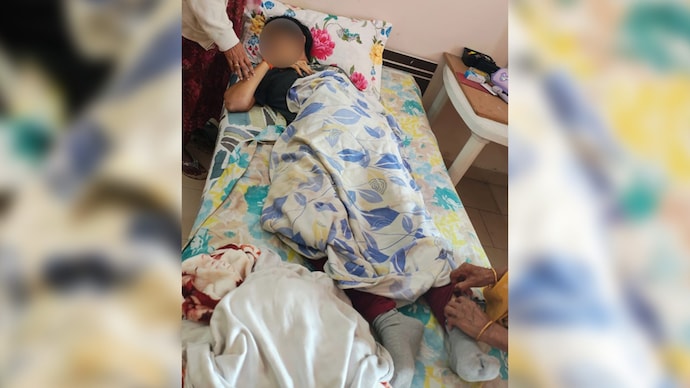
A heartbreaking incident in Hyderabad has once again highlighted the growing emotional pressures faced by young professionals navigating demanding careers, global ambitions, and personal expectations. A woman doctor, reportedly distressed after her US visa was rejected, died by suicide on Friday night. The case has sent shockwaves through the medical community and renewed conversations around mental health awareness, career stress, and the emotional toll of immigration-related setbacks.
According to preliminary reports, the exact cause of death has not yet been officially confirmed. However, initial findings suggest that the doctor may have either consumed an overdose of sleeping pills or injected herself with a substance late on Friday night. Authorities are continuing their investigation, and a detailed forensic analysis will determine the definitive cause.
A Promising Career Cut Short
The deceased was a young medical professional with a strong academic background and aspirations to further her career abroad. Like many Indian doctors, she saw the United States as a pathway to advanced medical training, better career opportunities, and improved quality of life. Her journey reflects the challenges faced by thousands of talented individuals who prepare rigorously for US licensing exams and visa interviews. For many, the process is emotionally draining and highly competitive.
In this case, the recent rejection of her US visa reportedly left her deeply disappointed. While visa outcomes depend on multiple factors and are not always an indicator of one’s capability, they often influence personal dreams, long-term goals, and the desire for professional advancement. For someone who had worked tirelessly to reach this stage, the setback appears to have become emotionally overwhelming.
Visa-Related Stress: A Silent Burden
Visa rejections can trigger a range of emotions—frustration, embarrassment, uncertainty, and a sense of failure. For individuals in demanding professions like medicine, where years of effort are tied to career pathways abroad, the psychological impact can be significant. Many candidates invest substantial time, financial resources, and emotional energy preparing for international career opportunities. When things do not go as planned, the sense of loss can be profound.
cryptosbusines.com | powerfit-studio.com | cryptosnewstoday.com
Race-Casino.com | MetricsofGrowth.com
Experts note that this form of stress is often underestimated within families and social circles. The pressure to achieve, societal expectations, and competitive environments amplify emotional vulnerability. For some, the fear of judgment or the inability to cope with unexpected outcomes can lead to extreme decisions.
The Need for Mental Health Support for Professionals
The tragedy underlines a critical gap in mental health support for young professionals, especially in the medical field. Doctors, despite being at the forefront of healthcare, remain vulnerable to mental health challenges due to high workloads, emotional exhaustion, and the constant pressure to perform. Studies globally have shown that medical professionals experience higher levels of burnout, depression, and anxiety compared to the general population.
In India, conversations around mental health are still emerging, and stigma continues to prevent many from seeking help. Young doctors often struggle in silence, believing that they must remain strong and self-reliant. This incident serves as a painful reminder that emotional struggles should be taken seriously, and support systems must be strengthened within workplaces, academic institutions, and families.
Family, Community, and Institutional Responsibility
While individual circumstances vary, tragedies like this raise important questions about the support structures surrounding ambitious young professionals. Families, educational institutions, and employers need to foster environments where individuals feel safe discussing emotional struggles without fear of judgment.
Career setbacks—whether visa rejections, exam failures, or missed opportunities—should not be seen as life-defining events. Encouraging open conversations, offering counseling services, and promoting mental resilience can play a vital role in preventing such incidents.
A Call for Greater Awareness and Compassion
The Hyderabad doctor’s untimely death is a somber reminder that even those who appear strong, capable, and successful may be fighting silent battles. As society becomes more competitive, the emotional well-being of individuals must not be overlooked.
Her story also reflects the need for greater sensitivity around career-related stress. Families, friends, and colleagues can help by offering reassurance, understanding, and support during emotionally difficult times. On a broader level, institutions must invest more in mental health services and awareness programs to ensure young professionals have access to help when they need it most.
Moving Forward
As authorities continue to investigate the circumstances surrounding her death, the incident stands as a poignant call for reflection. Dreams and ambitions are important, but life is far more precious than any career opportunity. For the countless young people navigating similar pressures, this tragedy highlights the importance of seeking help, sharing emotional burdens, and understanding that setbacks do not define one’s worth.
The medical community mourns the loss of a bright young doctor whose potential was cut short far too soon. Her passing should inspire urgent conversations on mental health, emotional support, and the need to create a healthier, more compassionate environment for all aspiring professionals.