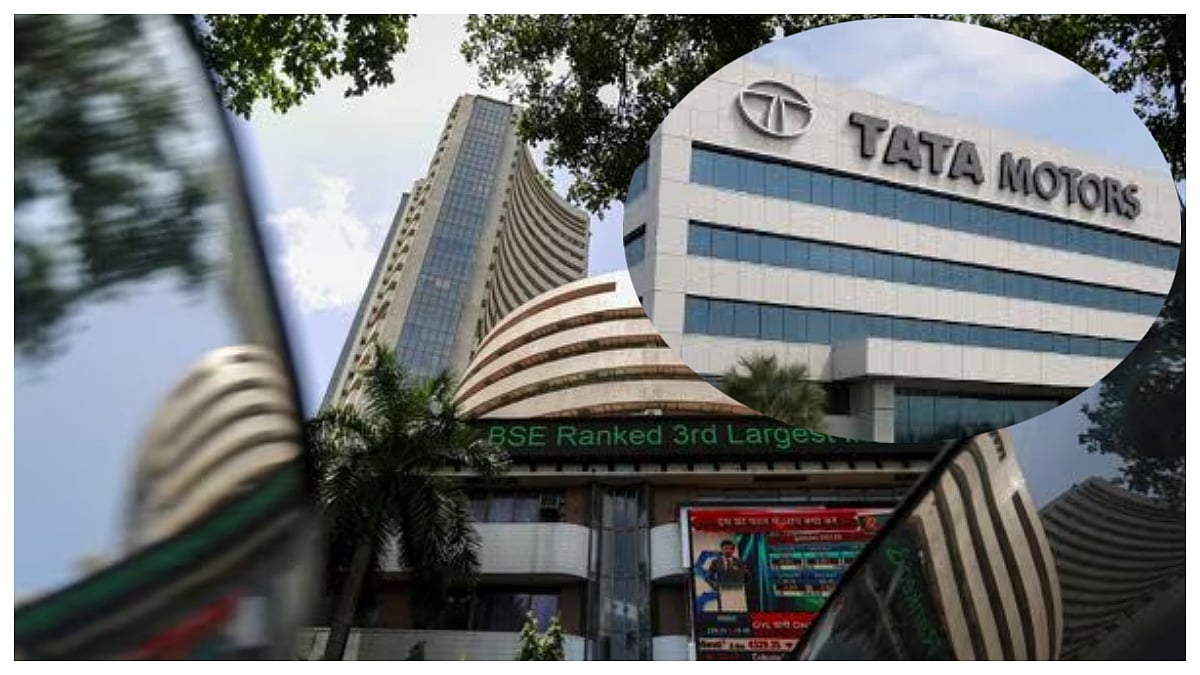
Tata Motors’ passenger vehicle (PV) shares dropped sharply by 6% today, following disappointing quarterly results from its luxury car unit, Jaguar Land Rover (JLR). Investors reacted negatively after the company revised its full-year earnings guidance, citing weaker margins and ongoing challenges in global markets.
JLR Q2 Performance: What Went Wrong
Jaguar Land Rover, Tata Motors’ UK-based luxury car subsidiary, faced multiple headwinds during the second quarter of FY2026. The key issues include:
-
Weak sales in key markets: JLR struggled in the US and Europe due to soft consumer demand and increasing competition in the luxury car segment.
-
High input costs: Rising prices for raw materials, semiconductors, and logistics significantly affected profit margins.
-
Currency fluctuations: The depreciation of the British pound against the US dollar added additional pressures on revenue and profit.
These factors combined to cause a major setback for JLR, prompting Tata Motors to revise its guidance for EBIT margins.
Full-Year EBIT Margin Guidance Slashed
Previously, Tata Motors had projected EBIT margins of 5–7% for the full fiscal year. However, following Q2 performance, the company now expects 0–2% EBIT margins. This sharp downgrade signals lower profitability, which rattled investors and triggered the share price drop.
-
EBIT (Earnings Before Interest and Tax) is a key measure of a company’s operational performance.
-
Lower EBIT margins indicate squeezed profitability despite steady revenues.
Analysts point out that JLR’s losses are a primary factor, as Tata Motors’ domestic passenger vehicle segment continues to perform reasonably well.
Investor Reaction
The 6% decline in Tata Motors’ PV shares reflects market concerns over the luxury car business. Investors worry about:
-
The sustainability of JLR’s profitability
-
Global economic conditions affecting luxury car demand
-
Rising costs and potential margin pressures
Some brokerage reports downgraded Tata Motors’ stock ratings, cautioning investors about short-term volatility while remaining cautiously optimistic about long-term prospects.
Domestic PV Segment Performance
While JLR struggled abroad, Tata Motors’ Indian passenger vehicle business showed resilience:
-
Strong demand for electric vehicles (EVs): Models like the Tata Nexon EV and Tata Punch continued to attract buyers.
-
Robust sales in utility vehicles: The company’s SUVs and compact cars maintained steady volumes, supporting revenue growth.
-
Cost optimization: Tata Motors has been controlling production costs in India, mitigating some of the global margin pressures.
Despite domestic stability, JLR’s setback weighed heavily, dragging down the overall stock performance.
Analysts’ Perspective
Market analysts note that the luxury car market is cyclical, and JLR has faced several challenges recently:
-
Delays in new model launches
-
Supply chain disruptions
-
Increasing competition from European and US luxury brands
However, analysts also highlight Tata Motors’ long-term strategy:
-
Focus on EV leadership in India
-
Strengthening JLR’s product pipeline
-
Expanding global presence in new markets
While these measures may stabilize the business in the long run, short-term investor sentiment remains cautious.
Global Economic Challenges
Tata Motors is affected not just by internal factors but also external macroeconomic conditions:
-
Rising interest rates in major markets reduce financing demand for high-value cars.
-
Inflationary pressures increase costs for raw materials and logistics.
-
Geopolitical tensions affect currency fluctuations and trade conditions.
These global factors amplify the challenges for JLR, making the recent EBIT margin downgrade unsurprising to analysts.
JLR’s Recovery Plans
Jaguar Land Rover is taking steps to recover profitability:
-
New model launches: Upcoming EVs and SUVs aim to attract more customers.
-
Cost-cutting initiatives: JLR plans to streamline operations and reduce overheads.
-
Focus on EV market: Shifting towards electric vehicles in Europe and other markets, aligning with global sustainability trends.
Experts believe that if executed well, these strategies could restore investor confidence over the next 12–18 months.
What This Means for Tata Motors Investors
For Tata Motors shareholders, the key takeaways are:
-
Short-term volatility: The 6% drop reflects market nervousness but may stabilize with upcoming results.
-
Domestic strength: India’s PV segment continues to perform, cushioning the global setbacks.
-
Long-term growth potential: Tata Motors’ focus on EVs and global luxury cars positions the company for sustainable growth.
Investors are advised to monitor JLR updates, global economic conditions, and domestic sales trends to gauge stock performance in the coming quarters.
Conclusion
The 6% fall in Tata Motors PV shares is largely attributable to JLR’s weak Q2 performance and the revised full-year EBIT guidance. While domestic operations remain stable, global challenges and luxury car market pressures have weighed heavily on investor sentiment.
Long-term prospects for Tata Motors depend on JLR’s recovery, EV adoption, and continued operational efficiency in India. For investors, understanding the balance between short-term volatility and long-term growth potential is crucial in deciding how to navigate Tata Motors stock.