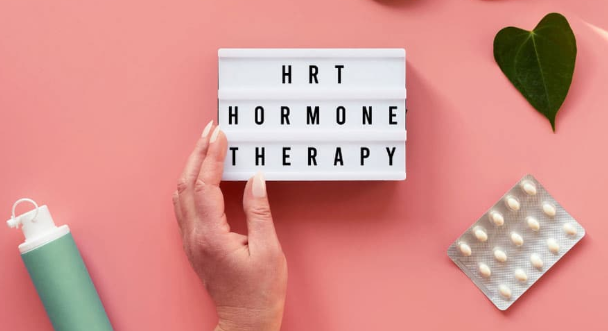
Menopause is a natural stage in a woman’s life, typically occurring between the ages of 45 and 55. It marks the end of the monthly menstrual cycle and the ability to have children. While menopause is a normal biological process, it can bring many physical and emotional changes that may affect your overall well-being. One of the common solutions to ease these changes is Women Hormone Replacement, which helps many women regain balance and feel like themselves again.
Understanding Hormonal Changes During Menopause
During menopause, the body reduces the production of important hormones like estrogen and progesterone. These hormones play a major role in regulating mood, sleep, energy, and even bone strength. When these hormone levels drop, it can lead to symptoms such as hot flashes, night sweats, mood swings, trouble sleeping, vaginal dryness, and difficulty concentrating. These changes can make everyday life uncomfortable and frustrating.
Hormonal imbalance doesn’t only affect your body but also your emotional health. Some women feel more anxious or depressed during this time. This shift can also impact your relationships, work, and personal confidence.
What is Women Hormone Replacement?
Women Hormone Replacement, also known as hormone replacement therapy (HRT), is a medical treatment that provides the body with the hormones it is no longer producing naturally. It usually involves estrogen alone or a combination of estrogen and progesterone, depending on a woman’s health and whether she still has her uterus.
This treatment is designed to bring hormone levels back into balance, which helps relieve the uncomfortable symptoms of menopause. It can be taken in different forms such as pills, patches, creams, or gels, and your doctor will help you decide what works best for you.
Benefits of Women Hormone Replacement
Many women find great relief from menopause symptoms after starting hormone replacement therapy. One of the main benefits is the reduction of hot flashes and night sweats, which are among the most common and bothersome symptoms. With better sleep and fewer interruptions at night, you may feel more energetic and focused during the day.
Women Hormone Replacement also helps in improving mood and reducing feelings of anxiety or depression. This is especially helpful for women who feel emotionally unbalanced during menopause.
Another important benefit is the protection it offers to your bones. Estrogen plays a key role in keeping bones strong. After menopause, the risk of bone loss and osteoporosis increases. By restoring hormone levels, HRT can help reduce this risk and support long-term bone health.
Some women also notice an improvement in skin health and vaginal comfort. Hormonal balance helps maintain elasticity and moisture in these areas, making everyday activities and intimacy more comfortable.
Is Hormone Replacement Right for Everyone?
While many women benefit from hormone replacement therapy, it’s not suitable for everyone. Your doctor will consider your health history, age, and risk factors before recommending this treatment. Women with a history of certain types of cancer, blood clots, or liver disease may need to explore other options.
That’s why it’s very important to have an open and honest conversation with your healthcare provider. They can guide you in choosing a treatment plan that is safe and effective for your individual needs.
Taking the First Step Toward Balance
If menopause is affecting your quality of life and you’re struggling with symptoms that feel overwhelming, you don’t have to suffer in silence. Women Hormone Replacement can be a safe and effective way to restore balance, improve comfort, and help you feel more like yourself again.
With the right guidance and medical support, you can take control of your health and enjoy this new chapter of life with confidence. Remember, menopause is a natural part of life, but that doesn’t mean you have to live with discomfort. Solutions like hormone replacement therapy are available and can make a meaningful difference in how you feel every day.
Talk to your doctor, learn about your options, and choose the path that supports your well-being.