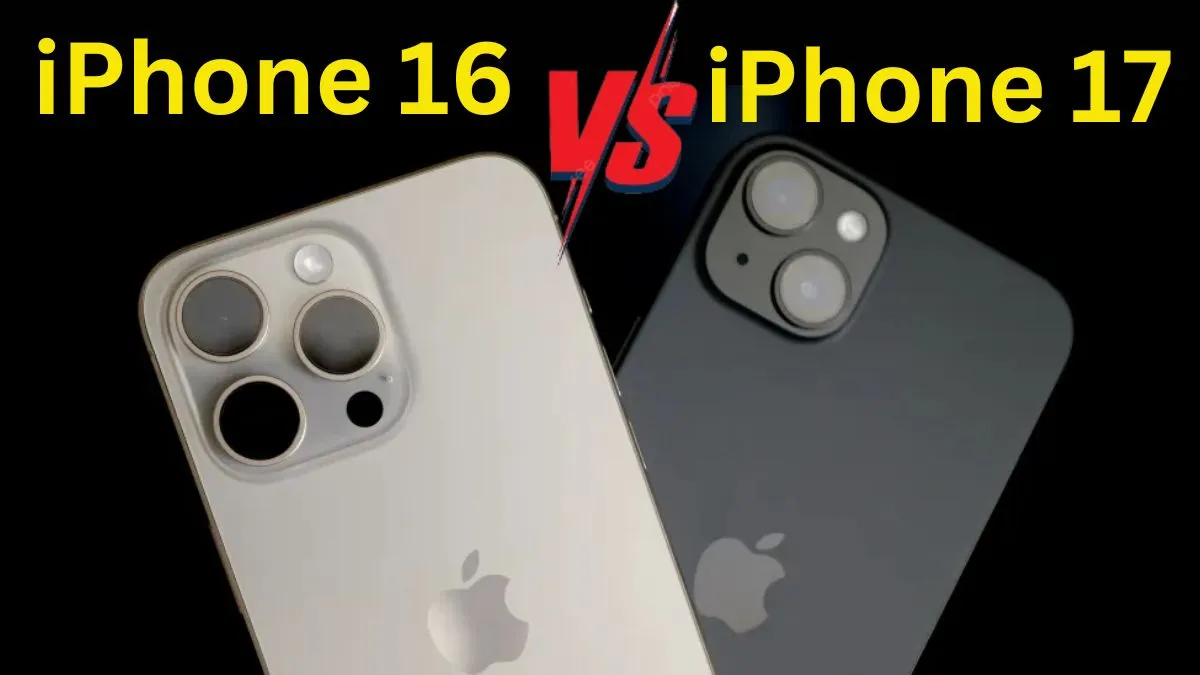
1. Launch Timeline & Models
Apple is set to officially debut the iPhone 17 series on September 9, 2025, at its “Awe Dropping” event in Cupertino, California. The lineup is expected to include the iPhone 17, iPhone 17 Pro, iPhone 17 Pro Max, and a completely new model called the iPhone 17 Air. The Air will replace the Plus model, offering a slimmer and lighter mid-tier option for users who want a balance of performance and portability.
2. Design & Form Factors
The biggest design highlight is the iPhone 17 Air, which is rumored to be just 5.5 mm thick, making it the slimmest iPhone ever released. The entire lineup will also feature thinner bezels and 120 Hz ProMotion displays, bringing smoother visuals to all models rather than keeping them exclusive to Pro versions.
The Pro models may move away from titanium and instead use a hybrid of aluminum and glass, giving them a refined, durable, yet lighter build. Camera bumps are also being redesigned: the Pro Max may get a pill-shaped horizontal camera module, while the standard iPhone 17 could stick to a vertical dual-camera setup.
In terms of colors, the iPhone 17 is expected to arrive in fresh shades, including a lavender or lilac variant, along with other bold new options.
3. Display & Performance
For the first time, every iPhone 17 model will have 120 Hz LTPO OLED displays. This is a huge step up from the iPhone 16 series, where only the Pro models offered ProMotion. Scrolling, gaming, and animations will feel smoother across the board.
Performance will also see upgrades. The iPhone 17 will likely use the A19 chip, while the Pro versions will run on the more powerful A19 Pro chip. Paired with up to 12 GB of RAM in the Pro models, this will ensure faster multitasking, smoother gaming, and improved AI-based features. By comparison, the iPhone 16 lineup topped out at the A18 Pro with 8 GB RAM.
4. Cameras & Imaging
Apple is putting serious emphasis on cameras in the iPhone 17 series.
-
Front Camera: All models are expected to upgrade from a 12 MP sensor to a 24 MP front camera. This will significantly improve selfies, FaceTime calls, and video recording quality.
-
Rear Camera: The Pro models could introduce a 48 MP telephoto lens with up to 8x optical zoom, ideal for photographers and travelers. The standard and Air versions will continue with a 48 MP wide sensor and ultra-wide lens, but without the advanced zoom capabilities of the Pro range.
These enhancements should make the iPhone 17 lineup especially appealing to content creators.
hiltonheadtreeservice.com | chillguymemes.com | hoanggialtd.com
jetsetadventur.com | donotdream.com
5. Battery, Cooling & Charging
Battery life is expected to improve slightly, with capacities moving from around 3561 mAh on the iPhone 16 to approximately 3600 mAh on the iPhone 17. More importantly, Apple may adopt a stacked battery design, which allows for better energy density and improved thermals.
For the first time, Pro models could include vapor chamber cooling, a technology often seen in gaming phones, to keep performance stable during intensive use.
Charging is also getting faster with Qi 2.2 wireless charging support, and while all models will continue to use USB-C, the Pro versions may see faster wired transfer and charging speeds.
6. Software & Features
The iPhone 17 will ship with iOS 26, introducing a fresh Liquid Glass design language, deeper AI integrations, and more personalization features. Expect smarter Siri suggestions, improved automation, and better cross-device continuity with Macs, iPads, and Vision Pro.
While the iPhone 16 series will also run iOS 26 through updates, the iPhone 17 lineup will be optimized out of the box for these features, making the experience smoother.
7. Pricing & Availability
Pricing is expected to remain close to the iPhone 16 launch prices, though slight increases are possible due to the new display technology and upgraded hardware. In India, the base iPhone 17 could start at around ₹79,900, with the Pro models reaching upwards of ₹1,34,999.
Meanwhile, the iPhone 16 series will likely see a price drop of around $100 once the iPhone 17 launches. This makes the iPhone 16 an attractive option for buyers who want a flagship experience at a lower cost.
Quick Comparison Table: iPhone 17 vs iPhone 16
| Feature | iPhone 16 | iPhone 17 (Expected) |
|---|---|---|
| Display | 60 Hz OLED (ProMotion only on Pro) | 120 Hz LTPO OLED across all models |
| Chipset | A18 / A18 Pro (8 GB RAM) | A19 / A19 Pro (up to 12 GB RAM) |
| Front Camera | 12 MP | 24 MP |
| Rear Camera | Dual or triple 48 MP depending on model | Pro models with 48 MP telephoto and 8x zoom |
| Battery | ~3561 mAh | ~3600 mAh with stacked design |
| Cooling & Charging | Standard design, 25W MagSafe | Vapor-chamber cooling, Qi 2.2, faster USB-C on Pro |
| Design | Titanium on Pro models, vertical/dual bump | Slimmer bezels, aluminum/glass, new camera layouts |
| New Model | None | iPhone 17 Air (slimmer mid-tier variant) |
| Colors | Standard Apple palette | New lavender/lilac and other bold colors |
| Software | iOS 26 via update | iOS 26 preinstalled with optimizations |
| Price Trend | Launch prices, may drop post iPhone 17 | Slight increase, iPhone 16 drops ~$100 |
Should You Upgrade—or Wait?
Upgrade if you value:
-
Smooth 120 Hz ProMotion displays across all models
-
A major jump to 24 MP selfie cameras
-
Sleeker, thinner designs including the new iPhone 17 Air
-
Better performance from the A19 chip and higher RAM on Pro models
-
Enhanced cooling and charging technology
Hold off if you’re content with:
-
60 Hz display on non-Pro iPhone 16 models
-
Solid 12 MP front camera
-
Strong performance from the A18 chip
-
The option to save money on a discounted iPhone 16
-
Waiting for real-world reviews after launch to confirm the improvements
Final Takeaway
The iPhone 17 series is shaping up to be an incremental yet meaningful upgrade. The introduction of ProMotion displays across the entire lineup, the much-improved 24 MP selfie camera, slimmer designs, and a brand-new Air model make it an exciting release.
However, the iPhone 16 remains a strong device—especially once its price drops—making it a practical choice for many buyers. If you crave cutting-edge features and the sleek new design, the iPhone 17 will be worth it. But if value matters more, the iPhone 16 still offers plenty of performance and longevity, especially with iOS 26 support.