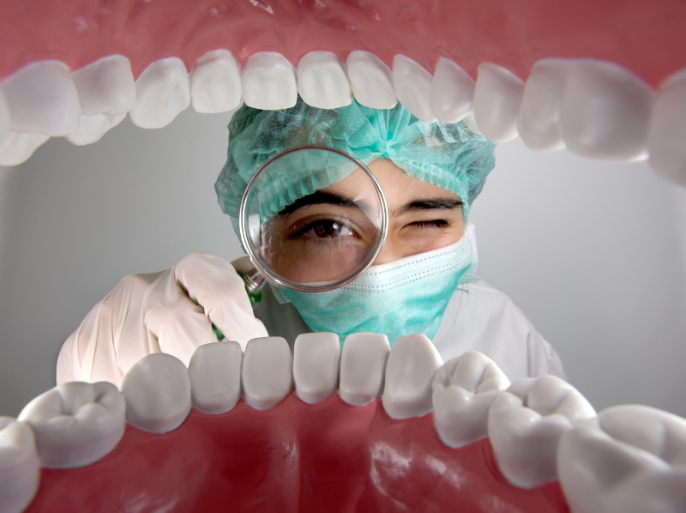
Dental care has evolved significantly over the past decades, blending advanced technology with improved clinical techniques to enhance both restorative and preventive treatments. Modern approaches emphasize not only fixing existing problems but also preventing future issues to maintain long-term oral health. This article explores key strategies in restorative and preventive dental care, highlighting the role of dentists, oral surgery, and other innovative methods.
Dentist: The Cornerstone of Modern Dental Care
A skilled dentist plays a pivotal role in both restorative and preventive dental care. Beyond routine check-ups and cleanings, dentists now utilize state-of-the-art diagnostic tools such as digital X-rays, intraoral cameras, and laser technology to detect dental problems at their earliest stages. This allows for minimally invasive treatments that preserve natural teeth and prevent the progression of disease.
Oral Surgery: Advanced Solutions for Complex Dental Issues
Oral surgery remains a critical option when restorative procedures alone are insufficient. Modern oral surgery techniques, including minimally invasive wisdom tooth extraction, dental implants, and corrective jaw surgery, help restore functionality and aesthetics. Advances in anesthesia and surgical tools ensure that these procedures are safer, less painful, and promote quicker recovery times.
Preventive Dentistry: A Proactive Approach
Preventive dentistry focuses on stopping dental issues before they start. Fluoride treatments and dental sealants protect tooth enamel from decay, while professional cleanings remove plaque and tartar that at-home brushing might miss. Patient education on oral hygiene and diet is also fundamental in reducing the risk of cavities, gum disease, and other common conditions.
Restorative Dental Technologies
Modern restorative dentistry integrates materials and techniques that mimic natural teeth in strength and appearance. Composite resins, porcelain crowns, and ceramic inlays are popular for their durability and aesthetic appeal. Digital impressions and 3D printing have revolutionized how restorations are designed and fitted, offering precise and comfortable outcomes.
Role of Minimally Invasive Procedures
Minimally invasive dentistry has gained prominence, aiming to conserve healthy tooth structure. Techniques like air abrasion, laser therapy, and resin infiltration enable dentists to treat early decay without drilling or removing large portions of the tooth. This approach improves patient comfort and preserves the integrity of teeth over time.
Integration of Technology in Patient Care
Technological advancements have transformed dental care delivery. Computer-aided design/computer-aided manufacturing (CAD/CAM) allows for same-day crowns and restorations. Tele-dentistry provides remote consultations, increasing access to care. Furthermore, digital records streamline patient management and treatment planning, making dental visits more efficient and personalized.
Conclusion
Modern restorative and preventive dental care combines the expertise of dentists and oral surgeons with cutting-edge technology and minimally invasive techniques. By focusing on early detection, patient education, and advanced treatment options, dental professionals can significantly improve oral health outcomes. Staying current with these modern approaches ensures that patients receive the highest standard of care, promoting healthy smiles for life.